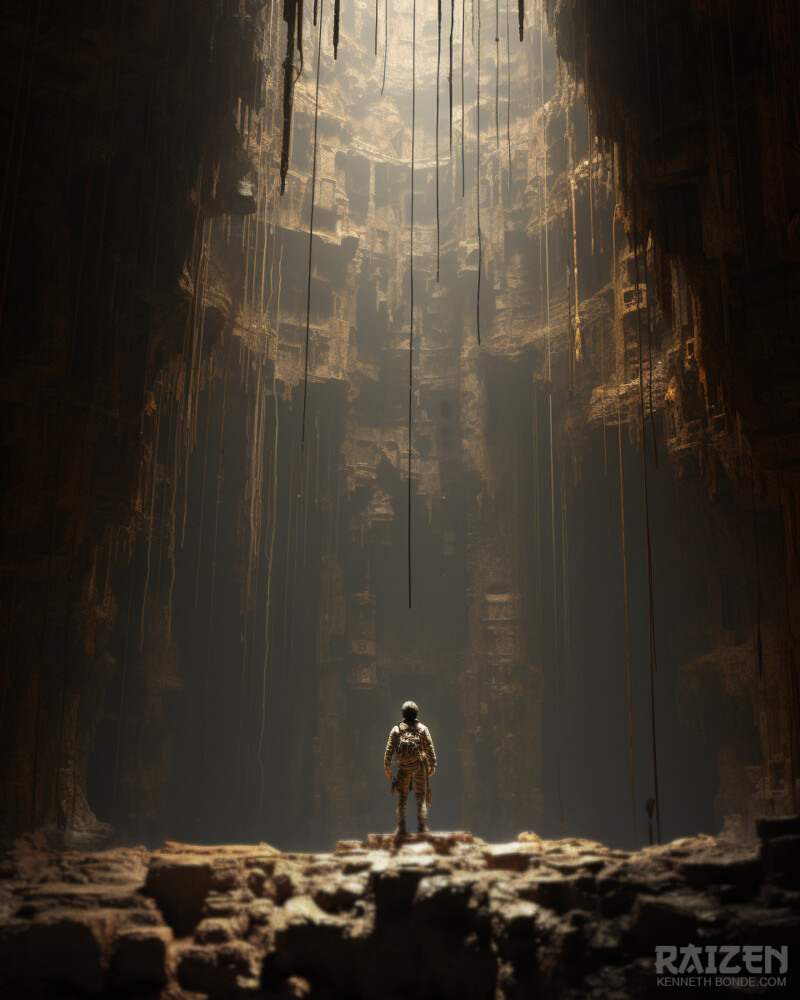
The strongest environments do more than look impressive. They suggest history, survival, architecture, culture, danger, ritual, and the feeling that the world continues beyond the frame.
I approach worldbuilding like an archaeological reconstruction of a place that never existed. Every wall, route, tool, costume, light source, repair, and human trace should feel connected to the same underlying logic.
Designing places as coherent systems shaped by geography, materials, survival, culture, and history.
Defining the mood, scale, silhouette, light, and visual language of a world before it becomes a production.
Building ideas that communicate clearly, anticipate downstream needs, and can scale beyond one image into a film, animation, game, or pitch.
Using artist-led, node-based workflows for exploration, iteration, continuity, documentation, and repeatable delivery—not uncontrolled image generation.
A curated gallery of environment design, visual development, concept art, and artist-led worldbuilding projects. Each series is built around atmosphere, cinematic scale, discovery, and the feeling that a larger story exists beyond the frame.

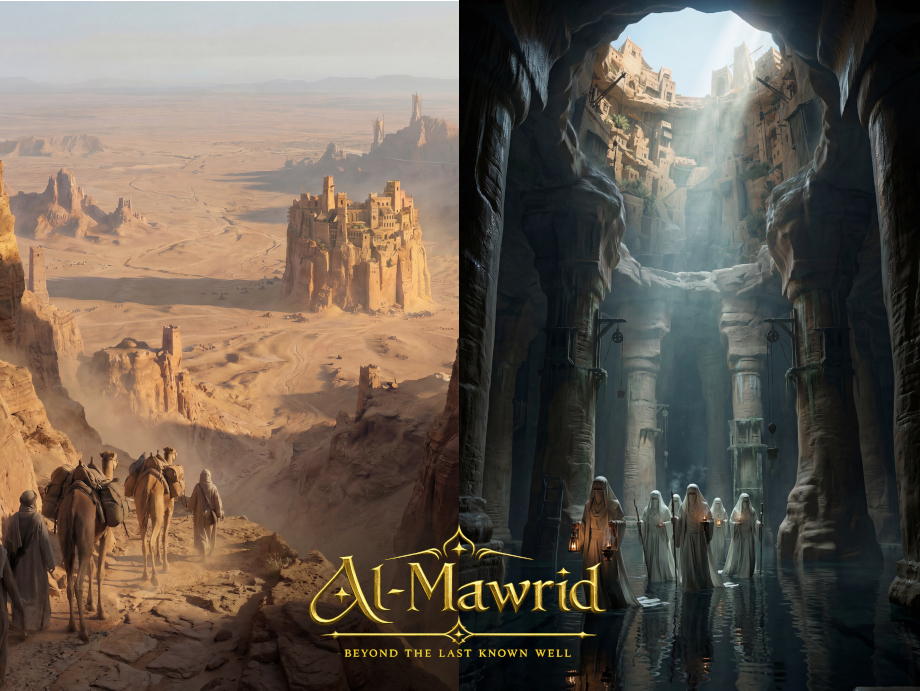
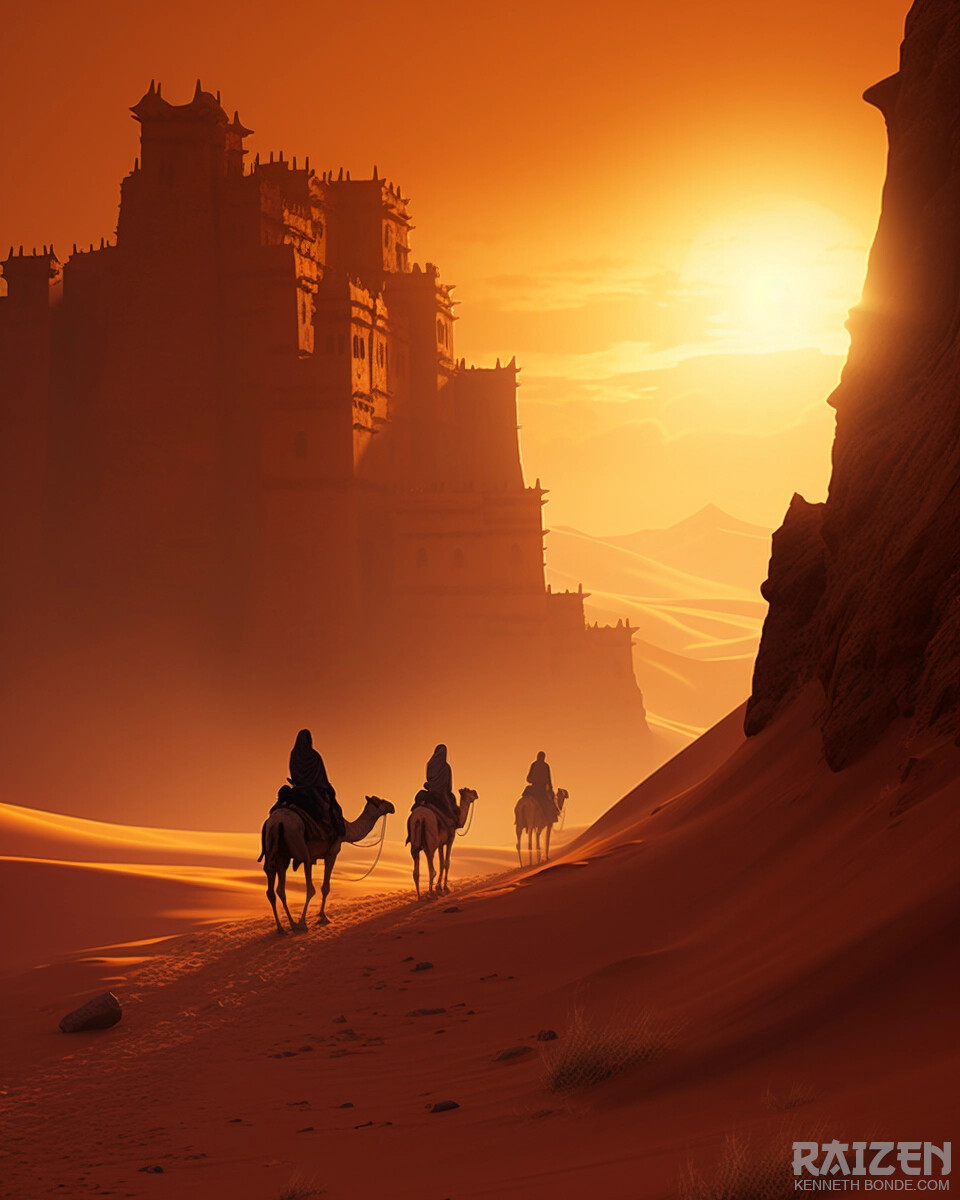
A civilization shaped by water, architecture, ritual, survival, and desert politics. The visible project remains clean and cinematic — with a deeper door for those who want to understand the world behind the images.

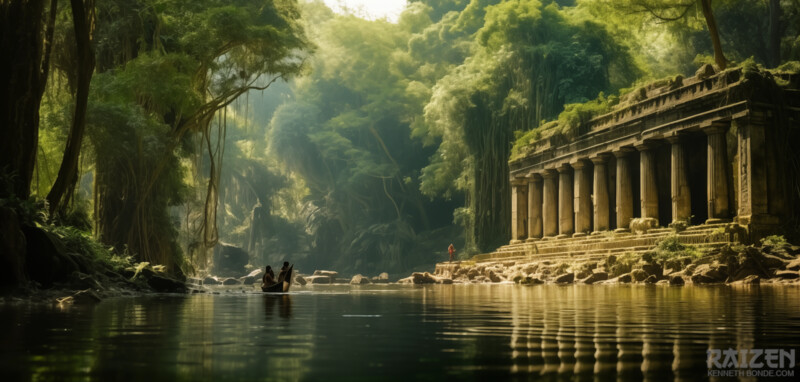
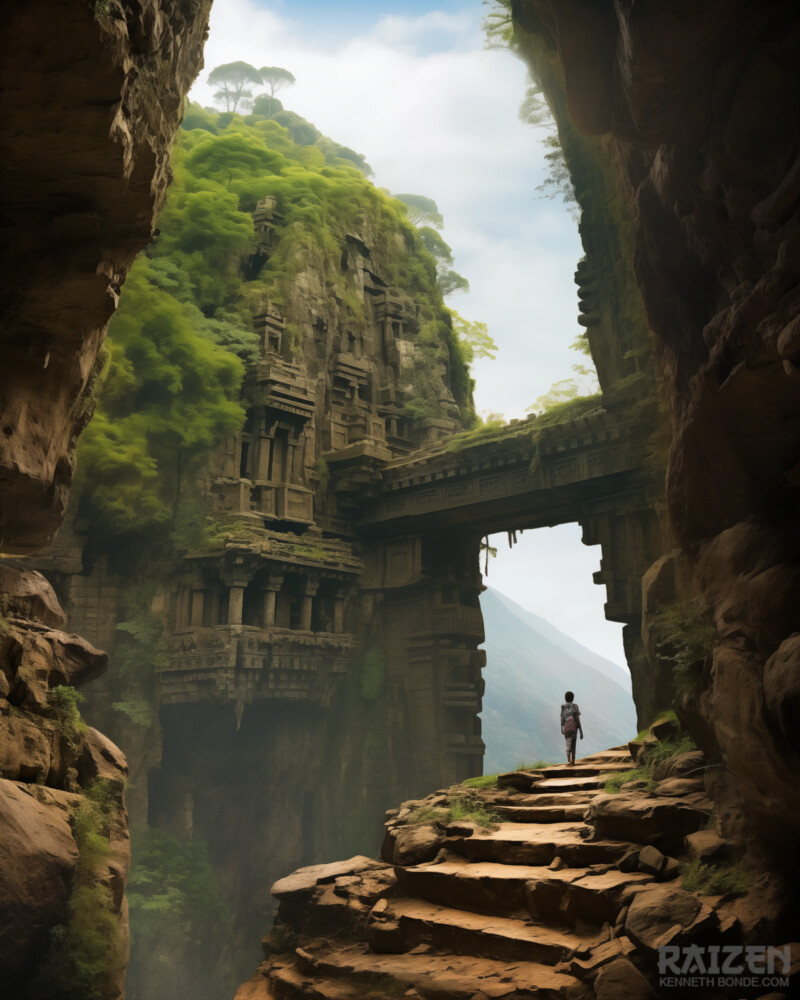
A forgotten sanctuary reclaimed by the jungle.

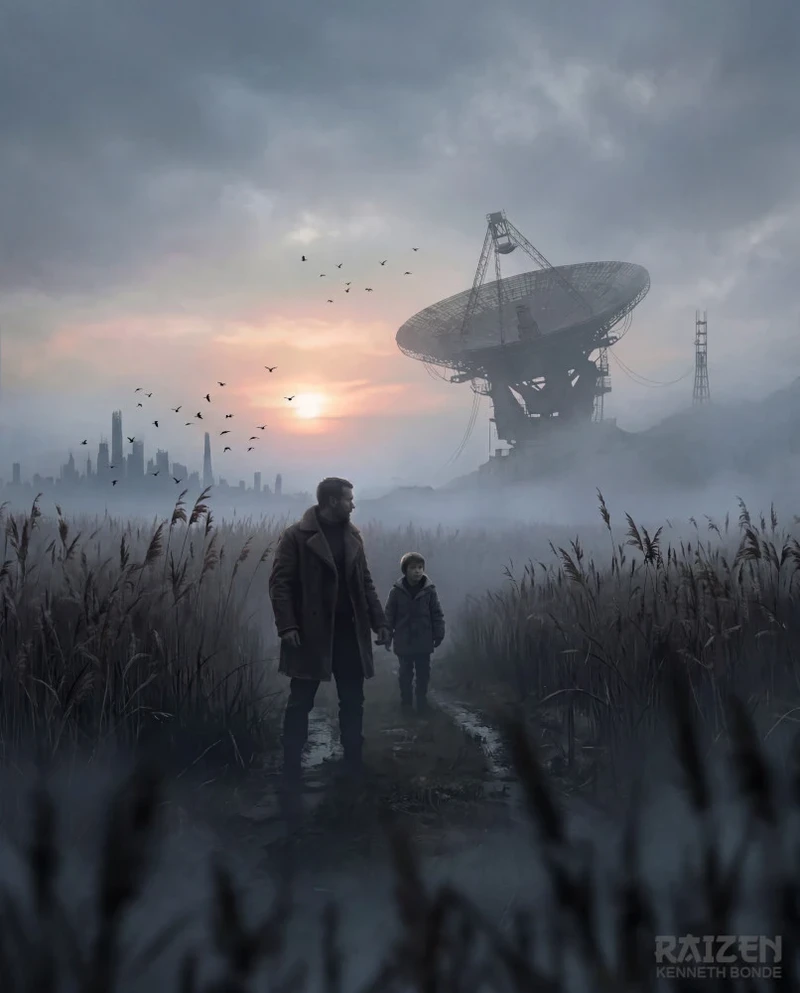
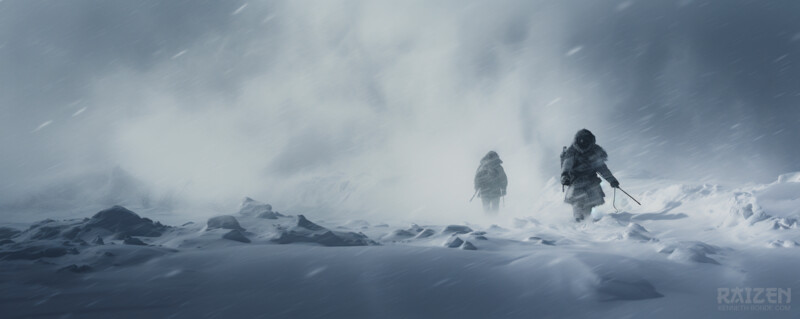
Five moments. One family. One impossible journey.

A journey through the silent desert.

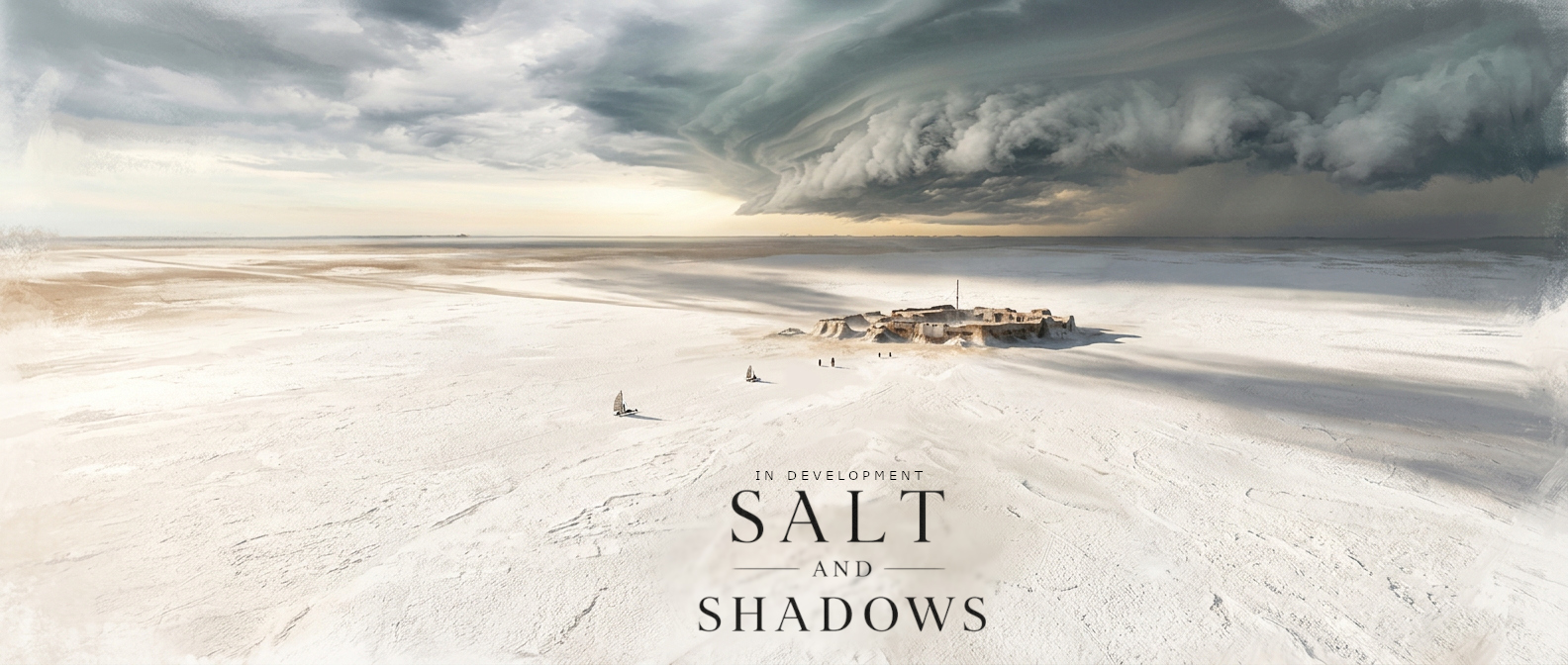
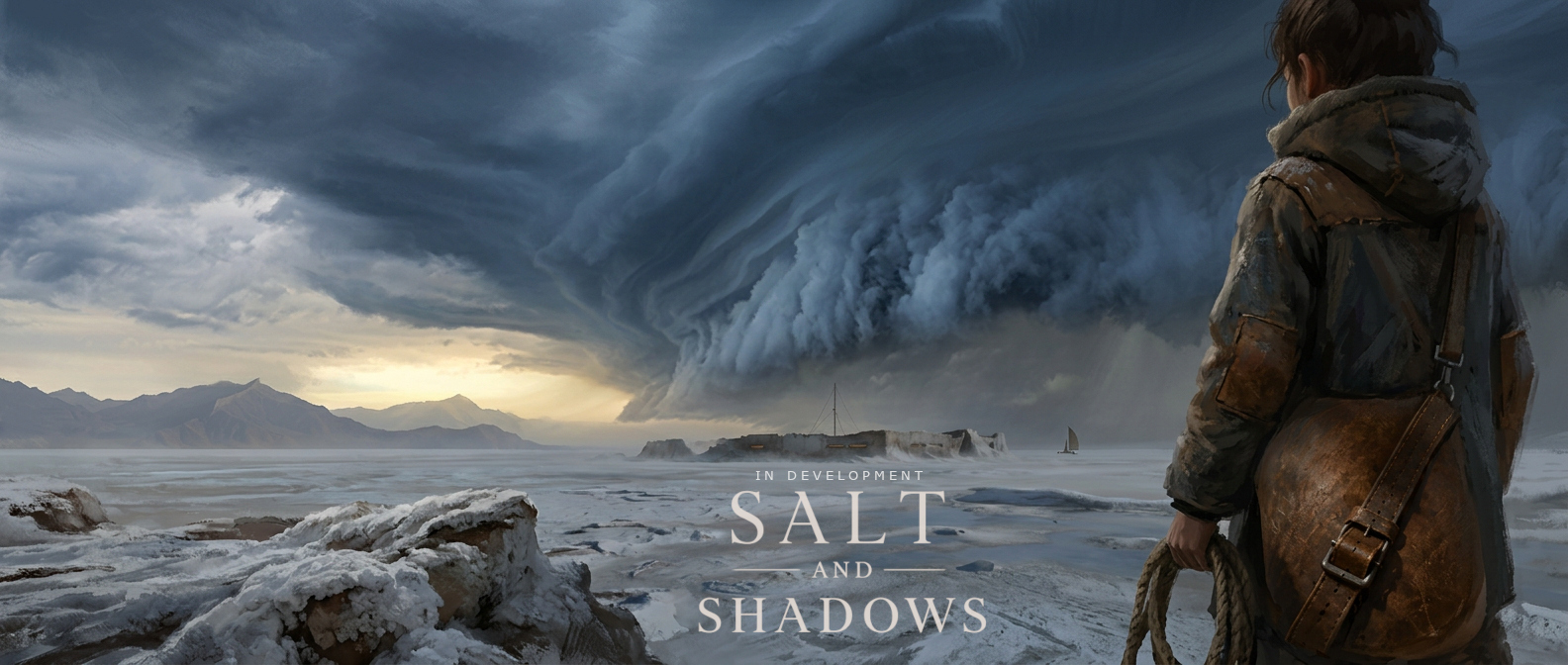
Generations have survived on an endless salt plain by learning to prepare for the storms—and to live with the sky itself.
Al-Mawrid now includes a deeper companion section: not a gallery, but the hidden thinking behind the fortress, water, architecture, culture, and survival logic.
OPEN THE HIDDEN DOORI design believable worlds using an artist-led process supported by structured production workflows, technical documentation, and pipeline thinking.
Every design is developed to communicate clearly with directors, art directors, modelers, matte painters, and production teams—not simply to look good. Designs can be presented as production packages combining cinematic keyframes, reference material, technical notes, annotated views, and supporting documentation.
Solve the story, design, or production question before polishing the image.
Establish world rules, naming, folder structures, reusable prompts, references, and pipeline automation.
Create images and documentation that help downstream departments make decisions faster.
Track versions, approvals, prompts, seeds, assets, and design decisions so the world can evolve without losing its identity.
Across the work, the recurring thread is discovery through environment: people entering, crossing, observing, surviving, or uncovering worlds larger than themselves.

Discovery, ancient architecture, scale, and the feeling of entering a forgotten world.

Human vulnerability, survival, weather, and cinematic atmosphere.

Mystery, vertical scale, buried architecture, and restrained worldbuilding.

I am a Visual Development and Worldbuilding Designer, and former Production Manager with more than a decade of experience in animation, VFX, and visual storytelling.
Having worked on both the creative and production sides of the industry, I understand not only how to design compelling worlds, but also how to develop them within the realities of collaborative production. Working with multidisciplinary teams, schedules, budgets, and evolving creative briefs has shaped the way I approach every project.
Many of my projects begin with a single image, an atmosphere, or a simple question that sparks my curiosity. Whether that inspiration comes from my own ideas, a director's vision, or another artist's concept, I enjoy exploring the world behind it. I ask how it works, why it exists, and how architecture, engineering, climate, history, and culture influence one another until the environment feels believable and internally consistent.
My background in animation production taught me that strong visual development is not only inspiring—it must communicate clearly, anticipate downstream needs, and help a production move forward. Ideas grow through collaboration, research, iteration, structured review, and thoughtful refinement.
I use AI as a creative accelerator within an artist-led production pipeline. The purpose is not to replace filmmaking, but to remove bottlenecks so more time can be spent on design, storytelling, continuity, and collaboration. Creative judgment remains at the heart of every project.
I don't just create environments—I design production-ready worlds that help directors, artists, and downstream teams make better creative decisions.